Key Takeaways:
- DWI refers to driving while impaired, usually by alcohol or drugs.
- Penalties can include fines, jail time, license suspension, and more.
- Knowing your rights is essential during a DWI stop or arrest.
- Insurance rates and long-term consequences can be significant.
- Preventive measures, such as using a designated driver, are the best way to avoid DWI.
- Legal defense options exist, but professional counsel is crucial.
Driving under the influence is a serious offense that can have life-changing consequences. If you’ve ever wondered what DWI is, how it differs from DUI, and what it means for your legal rights, this guide will break it all down in a clear, easy-to-understand way. We’ll cover laws, penalties, and what steps you can take to protect yourself.
What Does DWI Stand For?
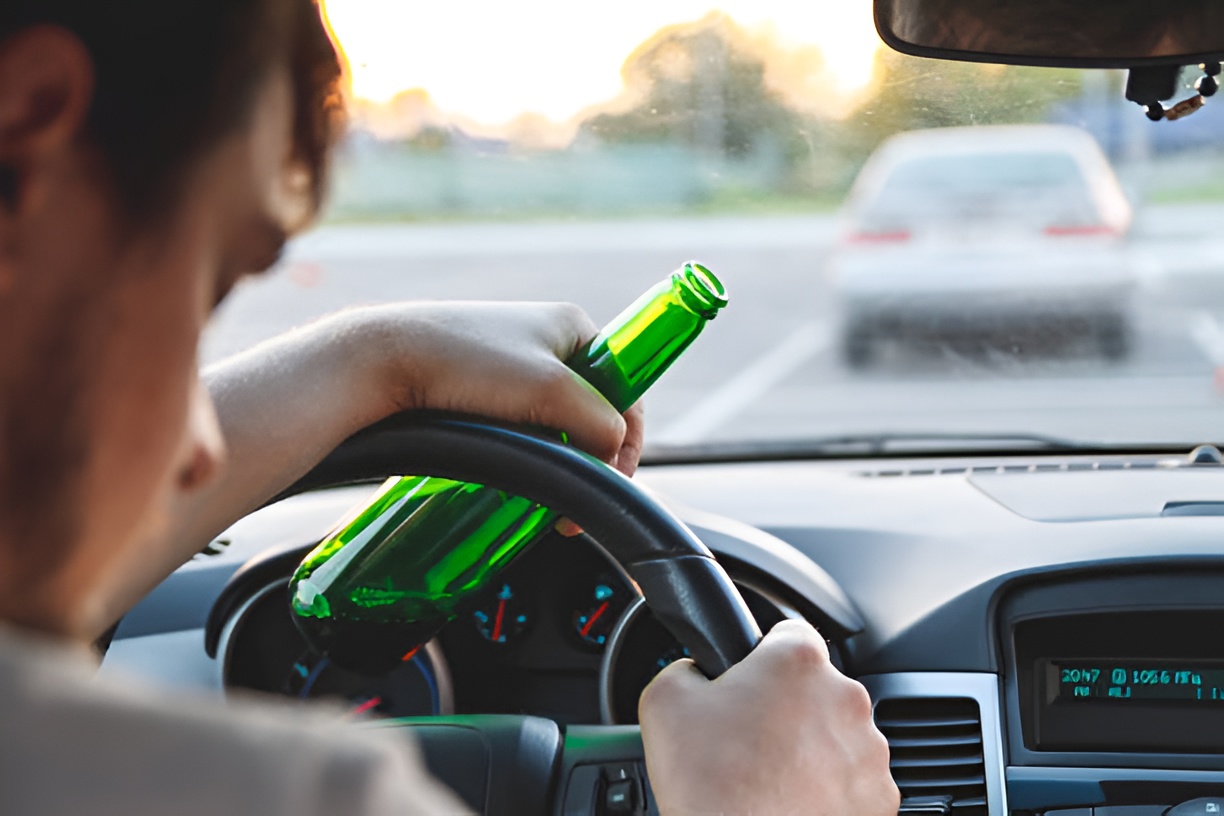
DWI stands for Driving While Intoxicated or Driving While Impaired, depending on the state. It is the legal term used when a person operates a vehicle while under the influence of alcohol, drugs, or other intoxicating substances that impair their ability to drive safely.
- DWI vs DUI: While some states use DWI and DUI interchangeably, DWI often refers specifically to alcohol-related offenses, whereas DUI (Driving Under the Influence) can include drugs and other substances.
- Blood Alcohol Content (BAC): Most states consider a BAC of 0.08% or higher as legally impaired. For commercial drivers or minors, the limit is often lower.
Understanding the terminology is the first step to knowing your rights and potential consequences.
How Is DWI Determined?

Law enforcement officers use a combination of observation, testing, and sometimes chemical analysis to determine if someone is driving while impaired. It’s not just about catching someone drinking—it’s about proving that their ability to operate a vehicle safely is compromised.
- Field Sobriety Tests: These are standardized physical tasks designed to detect impairment. Common examples include walking in a straight line heel-to-toe, standing on one leg for a set amount of time, or following an object with your eyes. These tests assess balance, coordination, and attention, which are often impaired by alcohol or drugs. Officers use the results to determine whether to pursue further testing.
- Breathalyzer Tests: A breathalyzer measures the amount of alcohol in your breath, which helps estimate your blood alcohol content (BAC). While convenient, these tests can sometimes be influenced by factors like mouthwash, recent food or drink, or improper calibration, which is why additional testing may be required.
- Blood or Urine Tests: These tests are more precise than breathalyzers and are used to confirm the presence of alcohol or drugs in your system. Blood tests are especially accurate in determining BAC at the time of driving, while urine tests may detect substances that affect your driving ability. These tests are often administered at a hospital or law enforcement facility under strict procedures to ensure accuracy.
- Officer Observations: Beyond formal testing, police officers rely on their experience to note signs of impairment. This can include slurred speech, bloodshot or watery eyes, erratic or unsafe driving patterns, fumbling with controls, or the smell of alcohol or drugs. Officers document these observations, which can be used as evidence in court.
It’s important to understand that refusing to take these tests can carry its own consequences. In many states, refusal results in automatic license suspension, fines, or other penalties—even if you were not ultimately impaired.
What Are the Common Penalties for DWI?
Penalties for a DWI can vary widely depending on the state, the severity of the offense, and whether you have prior convictions. Understanding the potential consequences can help you make informed decisions if you’re ever charged.
- Fines: Monetary penalties can range from a few hundred dollars for a first offense to several thousand for repeat or aggravated cases. These fines are often just the tip of the iceberg, as court costs, attorney fees, and insurance increases can add significant financial strain.
- License Suspension or Revocation: Even a first-time DWI can lead to temporary loss of driving privileges. Repeat offenses or cases involving accidents may result in longer suspensions or permanent revocation. Some states also require restricted licenses that allow driving only to work, school, or essential activities.
- Probation: Instead of or in addition to jail time, judges may impose probation. This usually comes with strict conditions such as staying out of legal trouble, attending alcohol education programs, and regularly reporting to a probation officer.
- Community Service: Some states mandate a minimum number of hours of community service, which is intended to contribute to public safety and rehabilitation.
- Jail Time: Jail sentences are more likely for repeat offenders, high BAC levels, accidents causing injury, or DWI with a minor in the vehicle. Even first-time offenders can face jail in some jurisdictions.
- Ignition Interlock Devices: These are breathalyzer devices installed in vehicles that prevent the car from starting if alcohol is detected on the driver’s breath. Many states require them after certain DWI convictions, sometimes for several years.
Penalties are generally more severe if aggravating factors are present, such as accidents, injuries, children in the car, or extremely high BAC levels.
Can You Go to Jail for a First-Time DWI?
Yes, it is possible for first-time offenders to face jail, though the length is often short and alternatives may be offered. Factors influencing whether jail time is imposed include:
- BAC at the Time of Arrest: A higher BAC may increase the likelihood of jail.
- Accidents or Injuries: If your impairment contributed to an accident or harm to others, jail is more likely.
- Prior Criminal Record: Even a minor past offense can influence sentencing.
- Aggravating Factors: Reckless driving, speeding, or having a minor in the vehicle may result in stricter penalties.
In many cases, judges may offer alternatives such as probation, alcohol education programs, community service, or restricted driving privileges in lieu of jail, particularly for first-time offenders who show remorse and cooperation.
What Are Your Rights If You’re Arrested for DWI?
Knowing your rights can make a big difference if you’re facing a DWI charge. Staying informed and calm is crucial. Key rights include:
- Right to Remain Silent: You are not required to answer questions that could incriminate you. Limit your conversation to basic identification details until you have legal counsel.
- Right to an Attorney: You can request legal representation immediately. An experienced DWI attorney can guide you through the process, identify procedural errors, and negotiate potential reductions in penalties.
- Right to Refuse Certain Tests: While refusing a breath, blood, or urine test can carry consequences, you have the right to consult with a lawyer about challenging the validity of the test or how it was administered.
- Right to Challenge Evidence: Improperly conducted tests, flawed equipment, or procedural errors by law enforcement can sometimes lead to evidence being dismissed in court.
Exercising your rights strategically and cooperating appropriately can help protect your case and minimize potential consequences.
How Does DWI Affect Your Insurance?
A DWI conviction can have a long-lasting impact on your finances beyond fines or legal fees. Insurance providers view DWI offenders as high-risk, which often leads to:
- Higher Premiums: Expect rates to increase, sometimes doubling or tripling. The insurance hike can last for several years.
- Limited Coverage: Some insurers may refuse coverage or require a high-risk policy, which is more expensive and may offer fewer benefits.
- SR-22 Requirement: Many states require proof of financial responsibility, called an SR-22, which confirms you carry insurance and may remain on file for several years.
Even after serving all legal penalties, insurance impacts can linger longer, affecting your financial planning and driving costs for years.
Are There Differences Between States?
Yes, each state has its own DWI laws, penalties, and procedures. Some differences include:
- Legal BAC limits
- Definitions of DWI vs DUI
- Mandatory minimum penalties
- Procedures for license reinstatement
- Use of diversion or alternative sentencing programs
If you’re charged, it’s critical to understand the laws in the state where the arrest occurred, as this determines your options and potential outcomes.
How Can You Reduce the Risk of a DWI?
Prevention is always better than facing the legal, financial, and personal consequences of a DWI. Some strategies include:
- Use a Designated Driver: Always have a sober driver if you plan to drink.
- Plan Ahead: Call a taxi or rideshare service if you’ll be drinking.
- Know Your Limits: Avoid driving if you’ve had any alcohol or substances that impair judgment.
- Stay Informed: Learn your state’s DWI laws to understand what constitutes impairment.
Simple choices can save you from a lifetime of consequences.
Can DWI Charges Be Reduced or Dismissed?

Not every DWI charge automatically leads to severe penalties. In some cases, charges can be reduced or even dismissed entirely through legal challenges. The outcome often depends on the evidence, the circumstances of the arrest, and the skill of your attorney. Here are some common ways DWI cases are contested:
- Faulty Testing Equipment: Breathalyzers, blood tests, and other devices are not infallible. Machines must be properly calibrated and maintained, and testing must follow strict procedures. If there is evidence that equipment was faulty, uncalibrated, or improperly used, it can call the accuracy of your BAC results into question.
- Improper Stop: Police officers must have reasonable suspicion to pull you over. If they lacked a valid reason, any evidence collected afterward—such as field sobriety tests or breathalyzer results—may be inadmissible in court. Challenging the legality of the traffic stop can sometimes result in the dismissal of charges.
- Medical Conditions: Certain health conditions can mimic signs of impairment. For example, neurological disorders, diabetes, or even certain medications can affect coordination, speech, or behavior in ways that might appear like intoxication. Presenting medical evidence can sometimes reduce charges or strengthen your defense.
- Procedural Errors: Law enforcement officers must follow specific protocols when arresting and processing a DWI suspect. Errors such as mishandling evidence, not reading Miranda rights, or failing to follow testing procedures can be challenged in court. Any procedural mistakes can potentially weaken the prosecution’s case or lead to reduced charges.
- Mitigating Circumstances: There may also be situational factors that reduce the severity of the offense, such as minimal BAC levels, lack of prior offenses, or voluntary participation in alcohol education programs. Courts sometimes consider these when deciding whether to reduce penalties.
Consulting with an experienced attorney is crucial if you believe your rights were violated or if the case has mitigating circumstances.
What Happens After a DWI Conviction?
After a DWI conviction, you may need to take several steps to comply with court requirements and rebuild your record:
- Pay fines and court costs
- Attend mandatory alcohol or drug education programs
- Complete probation or community service
- Install ignition interlock devices if required
- Reinstate your driver’s license
Compliance with all court-ordered requirements is essential to avoid further penalties or repeat offenses.
How Long Does a DWI Stay on Your Record?
DWI convictions can remain on your driving and criminal record for years:
- Driving Record: Typically 3-10 years depending on state laws.
- Criminal Record: Often permanent, though some states allow expungement or record sealing after certain conditions are met.
A DWI can affect future employment, housing applications, and professional licensing, making it important to handle the case properly from the start.
In Summary
Understanding what is DWI is more than just knowing the letters—it’s about recognizing the serious legal, financial, and personal consequences that come with driving while impaired. From the penalties, potential jail time, and license suspensions to the long-term impact on insurance and your record, a DWI can affect many areas of your life.
The best way to protect yourself is to know your rights, stay informed about state laws, and make responsible choices when it comes to drinking and driving. Prevention, awareness, and prompt legal guidance if you are ever charged can make a significant difference in the outcome. By understanding the laws, penalties, and your options, you can navigate the situation wisely and minimize the risks to yourself and others on the road.
Remember, a single decision behind the wheel can have lasting consequences—staying informed and cautious is always the safer path.